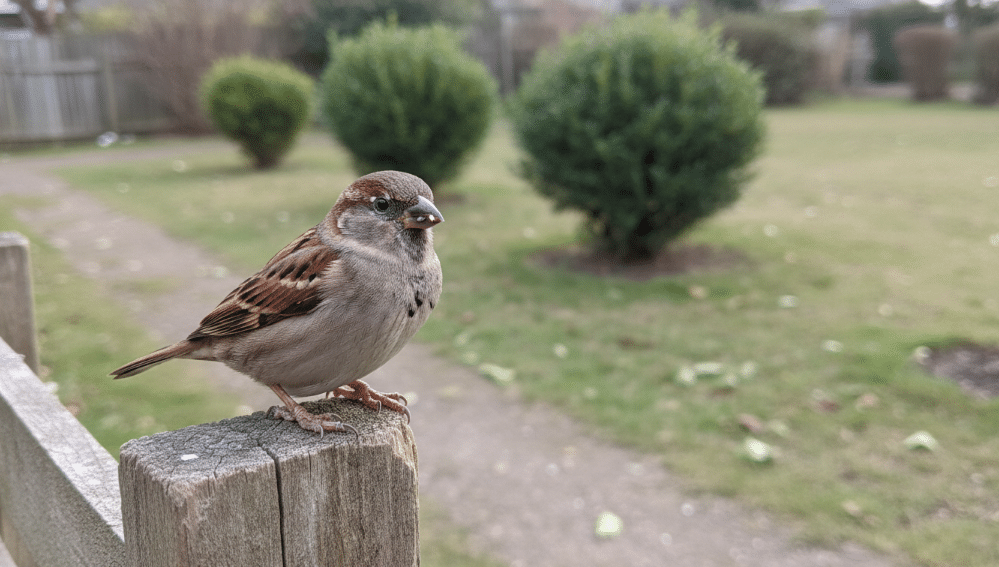
House sparrows are one of those birds that most people barely notice in their backyard. These little brown birds can fade into the background of everyday life.
You tend to hear them before you see them. As classified songbirds, you can hear their chattering and chirping away.
A little bird alone might not be much of a threat. But in large numbers, they can create serious food hygiene risks, generate relentless noise, and push out other bird species from the area.
And because these native species are smaller and more agile than pigeons or gulls, most conventional bird deterrents don’t work on them.
What makes house sparrows a “pest”? – According to bird control Glasgow experts
Before we begin, let’s be clear and upfront: a few house sparrows in your garden aren’t a pest problem.
In fact, it is completely normal and even welcomed in UK wildlife.
Since the 1970s, house sparrow numbers in the UK have declined by around 71%. So seeing these native birds is important for the biodiversity of our country.
However, issues can arise when sparrows gather in large numbers, access roof voids or ventilation spaces, or establish colonies in areas where noise, nesting material, or droppings cause damage.
In such cases, the goal should never be to harm the birds, but to prevent nesting in sensitive parts of buildings and encourage them to use safer, alternative locations.
Here are some of the reasons why sparrows can cause issues for properties.
Property damage from sparrow nests
House sparrows nest in small cavities and can squeeze into gaps as small as 20mm and build messy nests from dried grass, feathers, paper, string, and whatever else they can find.
The nesting can cause damage.
Male house sparrows loosen weak roof tiles as they come and go from nest sites, which creates entry points for rainwater. Nest material can also fall into gutters or collect near ventilation points which can lead to damp problems. And in some cases, nests built near electrical wiring or within extraction units have created fire risks.
House sparrows are social, loosely colonial nesters.
Where suitable gaps are available, multiple pairs may establish broods along the same roofline. On terraces or closely spaced housing, this can result in several active nests within a short distance if access points are not addressed.
House sparrows cause lots of noise
Sparrows are native songbirds. Alone or in a pair, they can be beautiful to listen to. But too many can be a disturbance.
Homeowners dealing with large wild bird sparrow colonies often describe the noise as one of the most frustrating aspects of the problem.
Droppings
House sparrow droppings are small individually, but they accumulate quickly where birds are roosting or nesting in numbers.
Droppings build up on windowsills, walls, signage, walkways, and vehicles beneath roosting sites. Their droppings are mildly acidic, and can stain and erode paint and metalwork over time.
But more importantly, bird dropping carry health risks.
Bird dropping can harbour harmful pathogens, which can become airborne when the droppings dry out and are disturbed. This presents a real inhalation risk, especially in enclosed areas, for anyone working or living nearby.
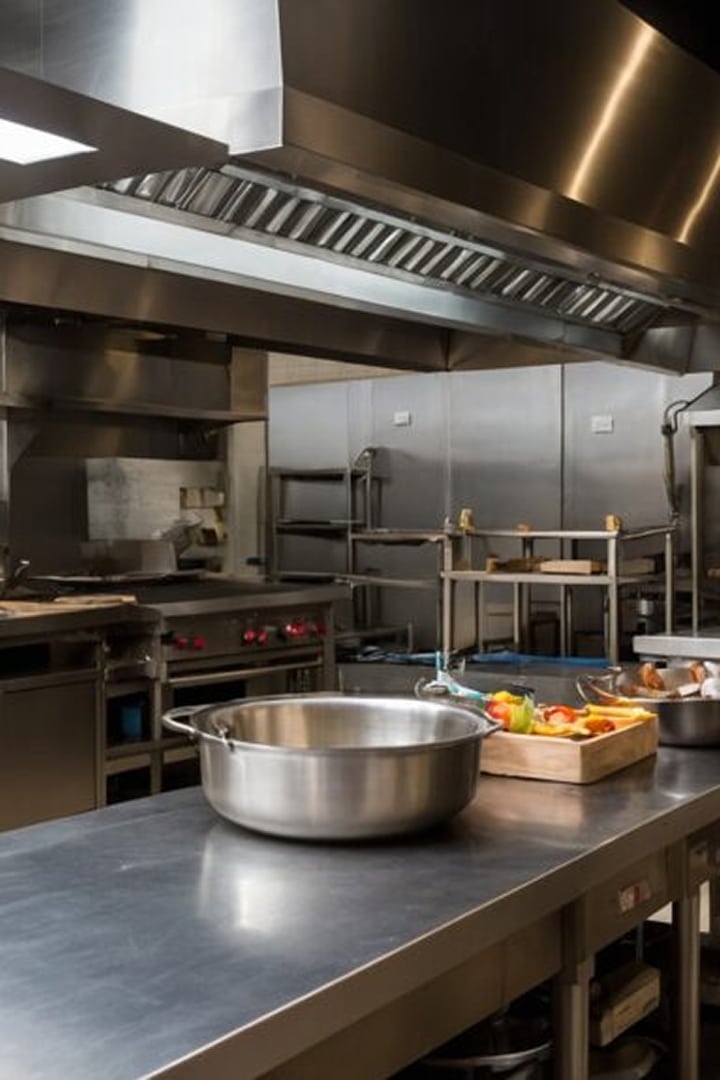
Food contamination in commercial premises
This is where house sparrows cross the line from nuisance to serious pest.
Sparrows are small enough to enter commercial buildings through gaps that would exclude larger birds. They exploit openings around loading bay doors, damaged cladding, missing roof panels, ventilation louvres, and any gap in the building fabric.
Once inside, they nest in the roof structure and feed on stored goods, particularly grain, seed, cereals, baked products, and animal feed.
Contamination, droppings, feathers, nesting material, and dead birds in food production or storage areas are a direct food safety hazard.
Aggression toward other backyard bird species
House sparrows might be small, but they are fierce.
They are known for their territorial and aggressive behaviour. Sparrows are more than happy to fight other small birds for access to bird feeders and birdhouses.
Although this isn’t the most important issue regarding large sparrow populations. If you have set up a nest box or bird house for a different bird species, it can still be slightly frustrating to have your favourite species of bird, hatchlings, and chicks forcibly evicted.
Agricultural damage
House sparrows have been considered an agricultural pest for centuries.
Large flocks can strip newly sown seed from fields, damage cereal crops as they ripen, and consume significant quantities of stored grain. In allotments and market gardens, sparrows target seedlings, peas, lettuce, and soft fruit.
The agricultural impact is less significant now than it was historically, partly because modern farming practices have reduced the sparrows’ food availability. But for smallholders, allotment growers, and rural food businesses, sparrow damage to crops and stored produce remains a genuine problem.
As sparrows can spread bird flu around avian populations, they are increasing measures to prevent their contact with poultry.
The population decline: context matters
Any discussion about house sparrows as a pest needs to acknowledge the bigger picture of bird conservation. The UK house sparrow population has fallen dramatically over the past half-century.
The causes are complex and not fully understood.
That doesn’t mean sparrows can’t be pests. They most certainly can.
However, it does mean that pest controllers must take legal, ethical and responsible measures when handling sparrow species. The focus should be on sensible prevention and proofing at the right time of year, keeping the risks under control while treating the birds with care.
How to manage house sparrows
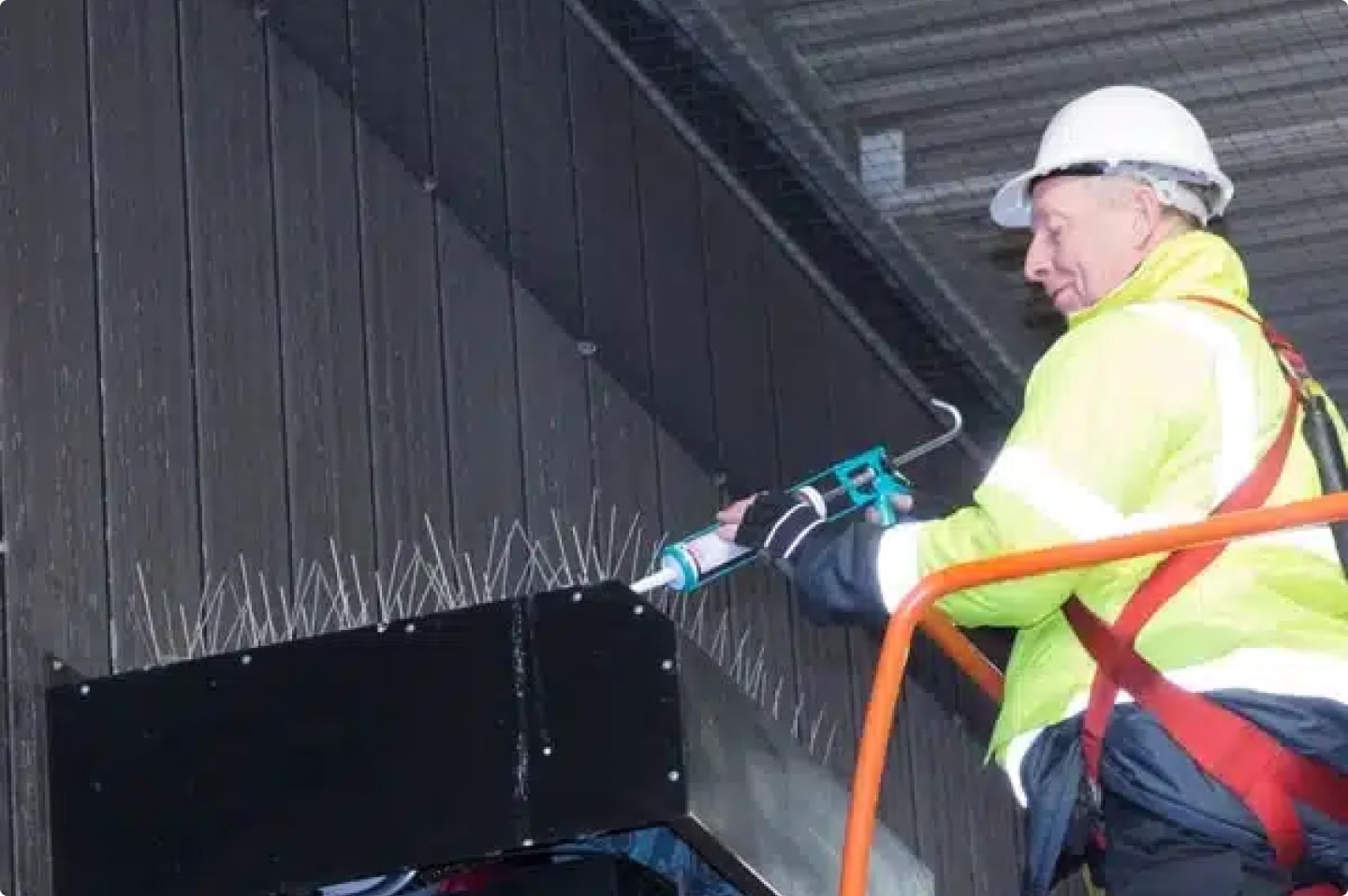
Because most conventional bird deterrents are designed for larger species like pigeons and gulls, sparrow control requires a different approach. Pigeon spikes that can get rid of pigeons on roofs, for example, are largely useless against sparrows as they are small enough to perch between the pins or nest underneath them.
Here is how we may help keep sparrows away.
Building proofing
The most effective long-term solution is physical exclusion. This includes:
- Seal gaps under roof tiles with tile clips, mortar, or bird-proof ventilation strips.
- Repair or replace damaged soffits and fascia boards where sparrows are entering.
- Fit mesh over ventilation grilles and air bricks (use a mesh size small enough to exclude sparrows — no larger than 19mm).
- Close gaps around pipework, cabling, and service entries on the building exterior.
It is important to do this outside the nesting season when there are no active nests present. Proofing during the breeding season risks sealing birds inside, which is both illegal and a welfare issue.
Netting
For commercial buildings where sparrows are entering through loading bay doors or large openings, fine-mesh bird netting (19mm mesh, compared to the 50mm used for pigeons) can be installed to create a physical barrier.
This is the standard approach for food factories, warehouses, and retail distribution centres where sparrows have become established inside the building.
Professional installation is essential.
The netting needs to be tensioned correctly and sealed at all edges to prevent sparrows finding their way around it. Poorly fitted netting creates pockets where birds get trapped, which causes welfare problems and doesn’t solve the issue.
Habitat management
If you are truly concerned about sparrows in your area, you can help try make your garden less popular for birds.
- Manage garden feeding carefully. If you want to feed smaller birds without attracting sparrow flocks, use nyjer seed feeders that sparrows tend to ignore.
- Trim dense hedging and ivy close to the building. Sparrows use thick vegetation as cover and communal roosting sites. Reducing the cover near your building makes it less appealing.
- Remove food sources around commercial premises. Spilled grain, open waste, and accessible stored products all attract sparrows. Remove the free food source.
Contact Pest Bird Solutions for professional assessment
Sparrow control involves legal constraints, species-specific techniques, and seasonal timing. For professional and lawful pest prevention, Pest Bird Solutions is here to help.
Our highly trained team can survey your property, identify entry points, advise on the legal position, and install proofing measures that actually work against a bird this small and persistent.
For more information on our services, contact our friendly bird control team today on 0800 027 2555.