Bird flu.
It appears in the news every winter and then it fades from the headlines until the next outbreak. But it should never been taken lightly.
Since 2021, avian influenza has been circulating at a scale the UK hasn’t seen before, killing tens of thousands of wild birds, devastating poultry farms, and prompting mandatory housing orders that have kept domestic flocks indoors for months at a time.
So what exactly is bird flu? And does it pose any risk to you?
Here is everything you need to know about avian flu from knowledgeable pest controllers.
What is bird flu or avian influenza? – By bird control Glasgow professionals
Bird flu, properly called avian influenza, is an infectious disease caused by Type A influenza viruses that primarily affect birds. These viruses occur naturally in wild waterfowl (ducks, geese, swans) and shorebirds, which can carry them without always becoming ill.
However, when the viruses spread to domestic poultry (chickens, turkeys, ducks), farmed game birds, or certain wild species, the results can range from mild illness to rapid, widespread death, all depending on the strain involved.
It’s important to understand that avian influenza is not a single virus.
It refers to a group of related influenza A viruses, classified by two surface proteins, haemagglutinin (H) and neuraminidase (N). This is why strains are labelled H5N1, H7N9, and so on.
Avian influenza viruses are also categorised by how severe the disease they cause in poultry is:
Highly Pathogenic Avian Influenza (HPAI)
This is the one that catches the headlines on the news.
HPAI causes severe illness and high mortality in domestic poultry. Infected chickens can die within 48 hours, and flock mortality rates can reach close to 100%.
To try control the spread of infection, HPAI triggers culling operations, prompts government-imposed housing orders and prevention zones, and World Health Organisation interventions.
Low Pathogenic Avian Influenza (LPAI)
These types of influenza cause milder illness in poultry, ranging from no visible symptoms to reduced egg production and mild respiratory signs.
LPAI strains circulate in wild bird populations semi-regularly and usually don’t cause mass die-offs.
However, some LPAI strains (particularly H5 and H7 subtypes) can mutate into highly pathogenic forms if they circulate in domestic poultry populations for long enough.
Which birds does bird flu affect?
Wild birds
Wild waterfowl, ducks, geese, and swans, are the natural reservoir for avian influenza viruses.
They carry many different subtypes in their intestinal tracts and shed the virus in their droppings, often without showing any symptoms themselves. This is how the virus has circulated in wild bird populations for thousands of years.
The current HPAI H5N1 outbreak has changed that pattern.
Since 2021, highly pathogenic strains have been causing significant mortality in wild bird species that previously seemed relatively resilient, including:
Seabirds
The UK’s globally important seabird colonies have been hit hard with species like gannets, guillemots, terns, skuas, and puffins suffering from outbreaks.
In 2022 and 2023, tens of thousands of breeding seabirds died across Scottish and English coastal colonies.
Geese
Barnacle geese that come to visit the UK during the winter are particularly affected.
In the UK, a third of the Svalbard breeding population (at least 13,200 birds) was killed as result of the outbreak during the winter of 2021 to 2022.
Swans
Mute swans and whooper swans are among the populations that have tested positive across the UK.
Birds of prey
Even predatory birds aren’t safe from harm.
Peregrine falcons, buzzards, hen harriers, white-tailed eagles, and golden eagles have all tested positive, likely after feeding on infected carcasses.
Gulls
Herring gulls, black-headed gulls, and great black-backed gulls have been affected in significant numbers.
This is because they’re scavengers that feed on infected carcasses and visit both coastal environments (where seabird die-offs occur) and inland agricultural areas.
Domestic poultry
Chickens, turkeys, and domestic ducks are highly susceptible to HPAI.
Outbreaks in commercial poultry flocks typically result in the entire flock being culled to prevent further spread. To put this in perspective, since 2021, millions of birds have been culled across England, Scotland, and Wales.
Backyard poultry keepers are also affected.
If you keep chickens, ducks, or geese at home, you’re subject to the same biosecurity requirements as commercial producers when an Avian Influenza Prevention Zone (AIPZ) is in force, including mandatory housing orders that require all kept birds to be kept indoors or under cover for the safety of public health.
What about pigeons, sparrows, and other common pest birds?
As pest controllers, we often get asked about where local pest bird populations can get infected. And the answer is more nuanced than you’d think.
Feral pigeons
Pigeons can be infected with avian influenza, but research suggests they’re relatively poor hosts for HPAI H5N1.
This is because they tend to carry lower viral loads than other species, shed the virus less efficiently, and are less likely to develop severe disease.
For these reasons, pigeons are not considered a significant vector for spreading HPAI between locations.
However despite the lack of threat, you should avoid feeding pigeons to better control their populations.
House sparrows and starlings
House sparrows and starlings frequently move between wild bird habitats and domestic poultry environments.
A sparrow that feeds in a field where infected waterfowl have been present and then enters a poultry house to feed on grain can potentially carry the virus on its feet, feathers, or in its droppings.
This is one of the reasons why preventing wild bird access to poultry areas is so important.
Corvids (crows and magpies)
These noisy birds are both susceptible to HPAI and have tested positive during UK outbreaks.
How does bird flu spread?
The virus spreads between birds through several routes:
Direct Contact
Direct contact is the primary route within flocks and colonies.
Infection spreads when other birds have close contact with infected birds or with contaminated feeding, roosting and drinking areas.
Droppings
Infected birds shed enormous quantities of virus in their droppings. Other birds become infected by ingesting contaminated water, feed, or soil.
This is why waterfowl are so prolific at spreading the disease.
They congregate on shared water bodies, contaminating the water directly.
Waterfowl are particularly efficient at spreading the virus this way because they congregate on shared water bodies and their droppings contaminate the water directly.
Contaminated environments
The flu virus can survive for extended periods in cold, wet conditions. Shared water sources, feeding areas, and mudflats can remain infectious for days or weeks after infected birds have been present.
Mechanical transmission
A common way the bird flu enters commercial poultry farms is by being carried between locations on contaminated clothing, footwear, equipment, and vehicles.
That’s why biosecurity protocols include boot dips, vehicle disinfection, and changing clothing before entering poultry houses.
Wild bird movements
Migratory waterfowl can carry the virus across continents.
The UK’s position on the East Atlantic Flyway means that migrating birds from Scandinavia, Iceland, Greenland, and Arctic Russia bring new strains to British shores every autumn and winter.
This is exactly why avian influenza outbreaks in the UK follow a strong seasonal pattern.
What are the symptoms of bird flu in birds?
Symptoms vary depending on the strain and the species affected. Some infected birds carrying LPAI can show no symptoms at all.
In poultry and other susceptible species, HPAI symptoms include:
- Sudden death with few or no prior symptoms
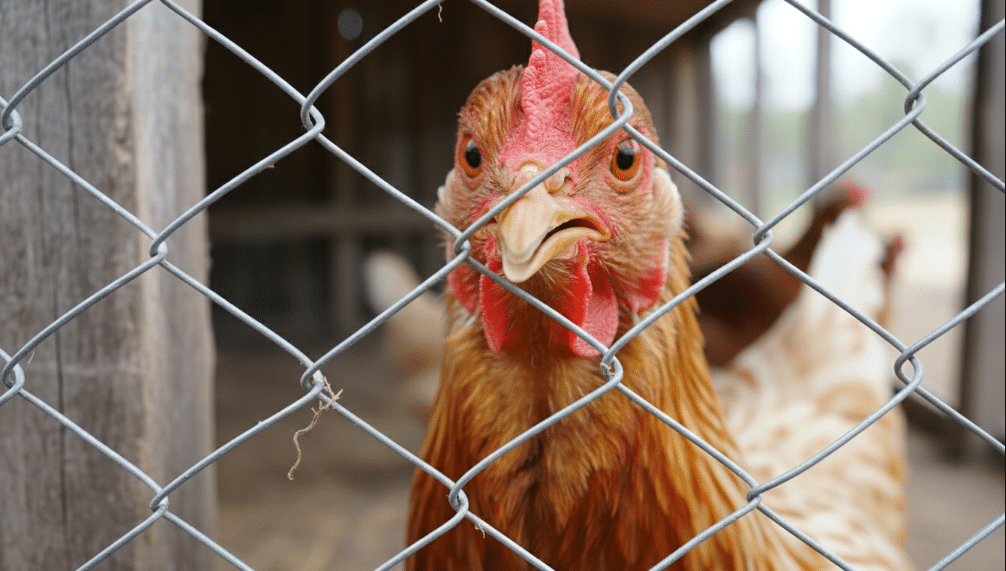
- Swollen head, comb, and wattles
- Discolouration (blue or purple) of the comb, wattles, and legs
- Lethargy and loss of appetite
- A sharp drop in egg production
- Respiratory signs: coughing, sneezing, nasal discharge
- Watery or discoloured (green) droppings
- Nervous signs: tremors, twisted neck, loss of coordination
The most visible sign of an HPAI outbreak is a sudden increase in dead birds in one location.
Although there is not yet a vaccine for bird flu, scientists are working hard to find one to protect bird species.
Can you catch bird flu?
Humans can be infected with avian influenza, but it’s risk to human health is extremely rare in the UK. It almost only ever happens from direct and unprotected contact with contaminated birds.
The threat to human life is low and the disease can not be easily transmit human-to-human.
Contact Pest Bird Solutions
Although the risk of bird flu to humans is generally low, pest birds can still create hygiene problems when they nest in the wrong places.
Droppings, nesting material, and parasites can all pose health risks which makes it important to prevent pest species from nesting too close to human activity. If you have pigeons on your roof or gulls in your area, we can help.
Contact our friendly team today to learn more on our services on 0800 027 2555.