Pigeons aren’t fussy eaters.
That’s a large part of the reason they’re so successful as a species and so difficult to manage as a pest. Their wildly flexible diet has allowed them to thrive in every city, town, and suburb in the UK, in numbers that most other bird species can’t come close to matching.
Food supply is one of the major needs that attracts pigeons to certain locations.
Whether you’re a bird watcher curious about their habits or dealing with an infestation, understanding what pigeons eat explains a lot about their behaviour.
The natural pigeon and doves diet – Advice by bird control Glasgow professionals
Feral pigeons are descended from rock doves, a species that naturally feeds on seeds and grain in open, rocky habitats.
Old habits die hard. And if wild pigeons have the choice, that is actually their preferred food.
Some of their favourite food for a natural diet include:
Seed, grain and grits
Wheat, barley, oats, millet, sunflower seeds, and corn are all pigeon favourites. This is why you’ll often see large flocks around farms, crop fields, grain stores, and animal feed areas.
Pulses and legumes
Peas, lentils, and beans.
Pigeon fanciers (the name for people who keep racing or show pigeons) use pulse-heavy feed mixes and pellets because they’re high in protein and nutrition. And their pigeons will eat them happily.
Berries and fruit
Wild fruit and berries can feature in the diets of pigeons in more rural spaces. Although seeds and grains are still pigeons’ primary food source, berries and fruit are loaded with vitamins and nutrients that they can’t deny!
Green vegetation
Turns out pigeons eat fruit and vegetables too!
In fact, wood pigeons are known for being particularly fond of cabbage, lettuce, broccoli and sprouts. This is why farmers (and avid gardeners) consider pigeons a huge agricultural pest.
Feral pigeons don’t eat as many vegetables as their wood pigeon cousins, but they will take them when other food is scarce.
What urban pigeons actually feed on
Feral pigeons’ nests have taken over towns and cities.
Urban pigeons’ diets vary a lot from their ancestors, and they are known for being opportunistic feeders. The bulk of what they eat comes directly or indirectly from human activity.
Discarded food waste
This is the single biggest food source for urban pigeon populations.
Takeaway leftovers, sandwich crusts, chips, pizza, kebab remnants, dropped crisps, spilled rice.
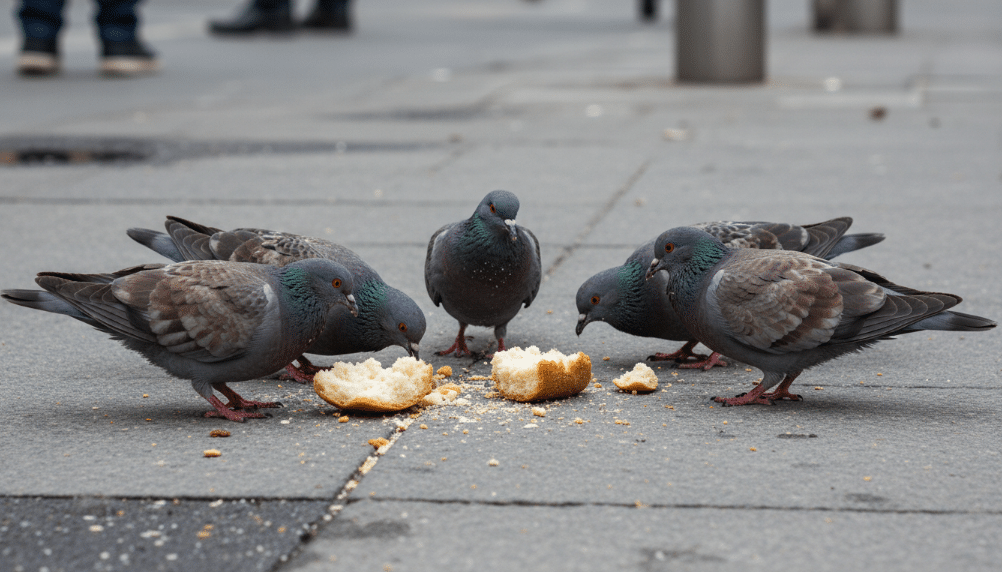
Anything edible on the pavement is fair game for feral pigeon population. You would be shocked at the amount of food waste that gathers over the course of a day on busy streets, and pigeons are waiting for every bit of it.
Bread
Despite the popular image of feeding the birds in the park, bread has very little nutritional value for pigeons. But pigeons consume it in large quantities because it’s one of the most commonly available foods in urban environments. People throw it to them deliberately, drop it accidentally, and discard it from packed lunches.
Bird feed
Garden bird feeders intended for smaller species attract pigeons too.
Seed mixes and fat balls are rich in vitamins and minerals, and pigeons will dominate a bird table if they can access it. They’ll also eat spilled seed from hanging feeders beneath them.
If you are trying to deter pigeon populations from your garden, we always recommend closed bird feeders that only smaller species can access.
Pet food
Some people like to leave dog and cat food outside for stray animals, foxes, hedgehogs, and badgers. While this can target those populations, it can also provide pigeons with an easy meal.
Dry pet food is grain-based and nutritionally dense, which makes it ideal pigeon feed.
Invertebrates
Pigeons don’t actively hunt. However, if they come across insects, snails or other small invertebrates, they will happily take them as a little snack.
This is a minor part of their diet compared to grain and scavenged food, but it does supplement their protein intake, particularly during the breeding season.
How much do pigeons like to eat?
An adult feral pigeon eats roughly 30 to 35 grams of food per day. That equates to about two tablespoons of food.
It doesn’t sound like much, and that’s part of the problem. A very small amount of available food can sustain a surprisingly large number of birds.
Since pigeons can breed year-round and have up to eight broods a year, a reliable food source doesn’t just sustain a colony. It grows one.
This is why pigeon populations in city centres can reach the densities they do.
The food supply in an urban environment is practically unlimited, and as long as it’s available, the population will keep expanding until something else limits it, whether that be disease or prevention.
Do pigeons need water?
Yes. Pigeons drink between 30 and 60ml of water per day, and unlike most birds, they can drink by sucking water up through their beaks rather than tilting their heads back to swallow.
This allows pigeons to drink from shallow puddles, dripping pipes, blocked gutters, and air conditioning condensate trays, all of which are common in urban settings.
Fixing drainage issues and eliminating standing water won’t solve a pigeon problem on its own, but it removes one reason for them to choose your building over someone else’s.
Why you shouldn’t feed pigeons
Feral pigeons aren’t just a nuisance with their cooing and large flocking congregating together. There are important reasons why you should reconsider feeding pigeons or giving pigeons access to food.
Health and safety concerns
Pigeon droppings can carry over 60 diseases and parasites transmissible to humans, including:
- Salmonella
- E. coli
- Psittacosis
- Cryptococcosis
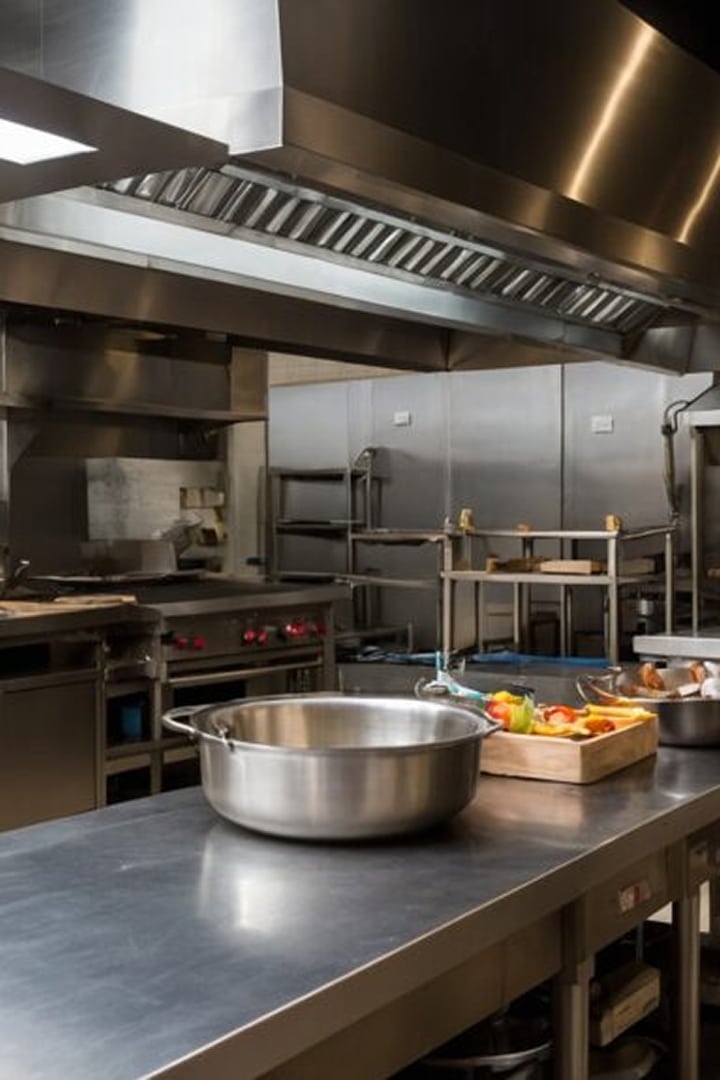
For businesses in the food industry, the presence of pigeons on or around the premises is a food hygiene issue that environmental health officers take seriously. A pigeon roosting above a kitchen extraction unit or on a loading bay where food deliveries are received is a contamination risk, and it can result in enforcement action.
By feeding pigeons, you are encouraging their population to grow, which can directly threaten the health of the public.
This is why it is also important not to feed other pest bird populations like gulls, to keep gulls away.
Secondary infestations
Feeding pigeons encourages them to nest near the food site.
But this doesn’t just cause pigeon problems in the area. Pigeon activity can attract other pests to areas, leading to even more health risk and safety concerns.
Property damages
Pigeon droppings are extremely corrosive, and one single pigeon can produce up to 12kg of guano in a single year.
This corrodes building materials, structures, and brickwork, leading to safety concerns and expensive repairs.
Contact Pest Bird Solutions for pigeon problems
If you’re experiencing problems with pigeons around your property, Pest Bird Solutions is here to help.
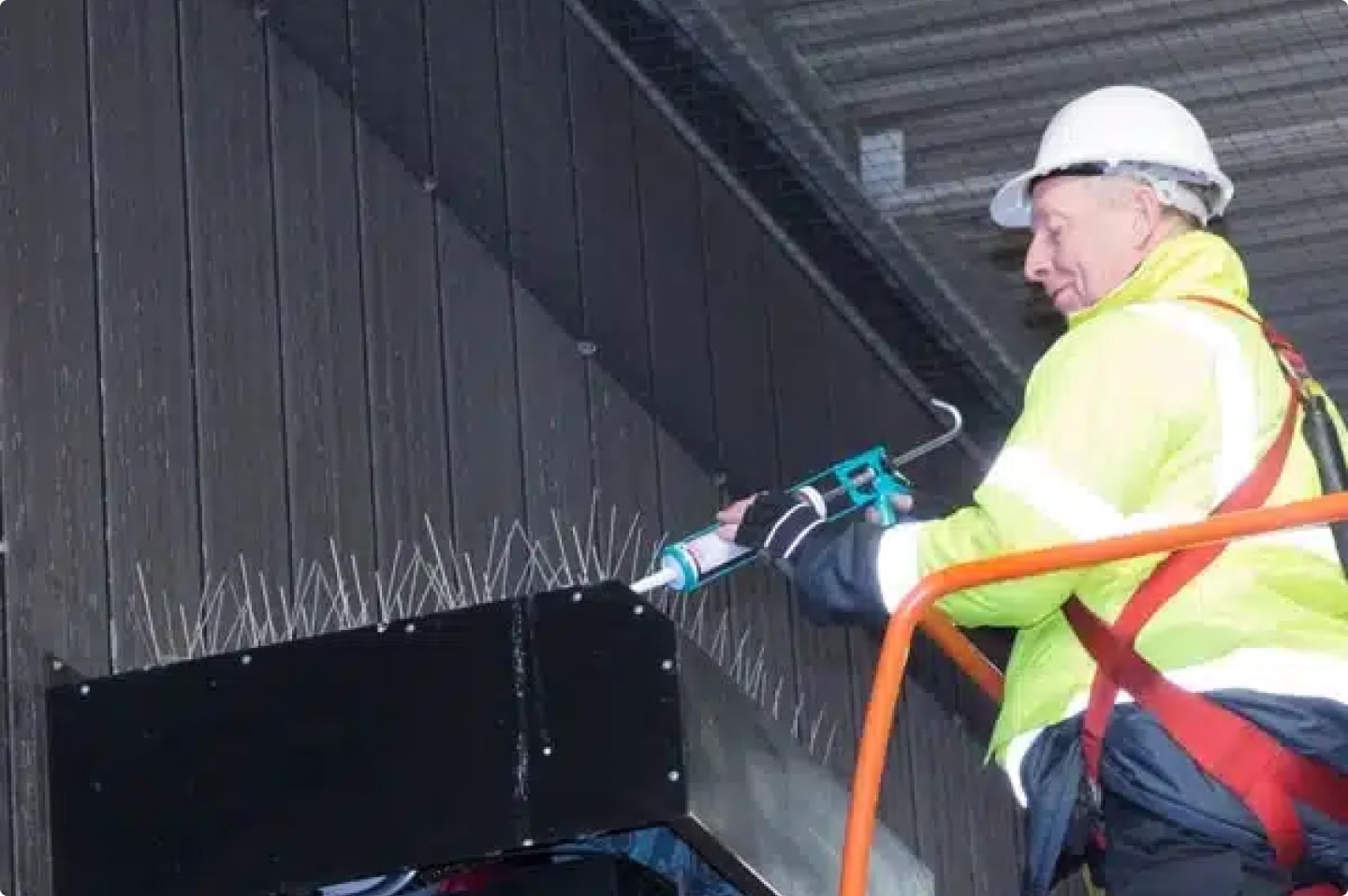
Our dedicated team of expert pest controllers follows all current legislation to ensure the safe, legal, and ethical removal of pigeon populations. We focus on delivering long-term preventative measures that give you lasting prevention against pest bird populations.
From pigeons, to house sparrows to gulls, we can help deter birds from your property.
Contact our friendly team today for professional advice and support on 0800 027 2555.