A symbol of the seaside for some can be the source of sleepless nights and terror for others. Gulls in urban areas can be noisy, territorial and dangerous. Thankfully, despite their legal protection, there are legitimate and authorised ways to handle the problem.
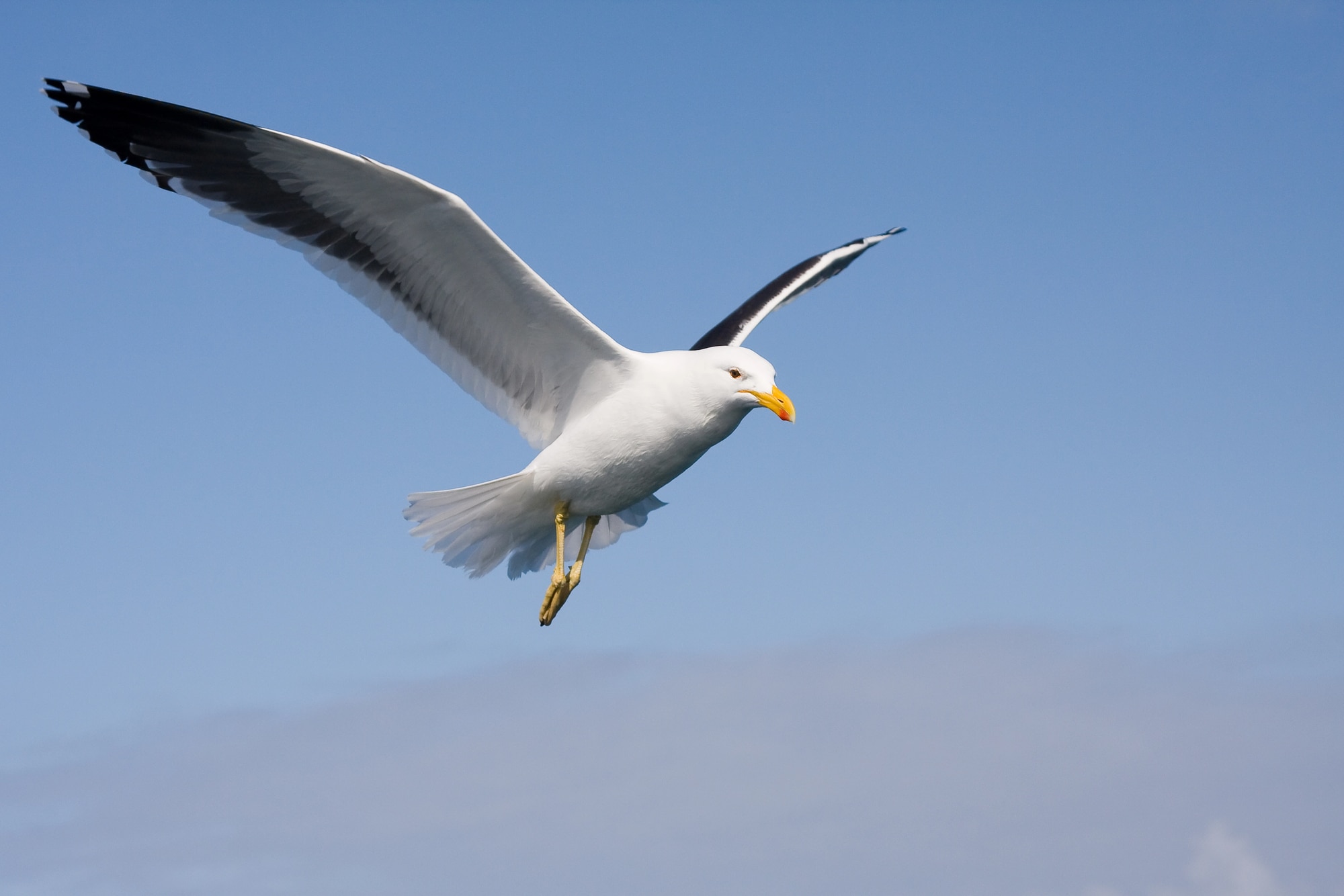
Protected Gull Species – Advice by Pest Bird Solution Experts
Are seagulls protected in the UK?
The short answer is yes.
In fact, all species of gulls in the UK are protected under the Wildlife and Countryside Act 1981, and the Wildlife Order 1985 in Northern Ireland.
This means that it is illegal to intentionally kill, injure, take their eggs, or damage or destroy their nests or eggs. These laws are even stricter during nesting times when baby gulls are dependent on their mothers.
However, there are certain circumstances in which control measures may be permitted under licence from the relevant authorities. This means that although gulls are protected, you can be protected too. Understanding the seagull protection status and lawful control measures is important to managing the problem legally, safely and effectively.
Understanding Seagull Protection Status in the UK
When we refer to “seagulls,” we’re actually talking about several different species of gulls that call our island home.
Did you know, there are actually 6 different species of gulls that live in the UK and over 50 species worldwide? The two most common gulls you will come across in the UK are the Herring Gull and Black-Headed Gull, alongside the Lesser Black-Backed Gull within cities. Under the Wildlife and Countryside Act 1981, all wild birds and their nests are protected by law, which makes managing them especially challenging when they choose to nest near people.
It is important to know that Herring Gulls are a species of conservation concern. Despite being the most common urban gull type, they have secured a place on the UK Red List of Birds of Conservation Concern. This is because their overall numbers have dropped considerably over recent decades, which makes their protected status not just a legal technicality but a preservation requirement.
Although seagulls can live for potentially decades, they must be protected.
Why Are Seagulls Protected Under Law?
Despite being a known nuisance in towns and cities. Seagulls serve a valuable purpose in our natural environment.
These coastal scavengers naturally help keep our shorelines clean by consuming organic waste and controlling invertebrate populations. In doing so, they play a vital role in maintaining healthy, balanced ecosystems.
Seagulls aren’t entirely to blame for their reputation. Our habits played a heavy role in negatively influencing seagull behaviour. As we’ve developed more of our coastlines and reduced their natural food sources, many gulls have simply adapted by moving inland and becoming more urbanised where food waste and litter are plentiful.
This shift has unfortunately, brought gulls into closer contact with people. Importantly, they associate us with food. Urban gulls can be aggressive, dive-bombing pedestrians, scavenging bins, and stealing food directly from people’s hands. Seagulls will eat anything. But it important to acknowledge that our frequent conflict between humans and gulls is admittedly a product of the environments we’ve created.
This adaptation has unfortunately led to more frequent conflicts between humans and gulls.
When Control Measures May Be Permitted
At Pest Bird Control, we understand that sometimes control measures become necessary. Especially if they are causing extensive harm to people and properties. The law recognises this too.
UK administrations can issue licences to pest control companies. These special licenses allow actions otherwise forbidden by law, but only for specific, legally sanctioned reasons. These include protecting public health and safety, preventing serious agricultural damage, stopping disease spread, and conserving other wild bird species.
Simple nuisance or minor damage to property doesn’t qualify as a legitimate reason to take action against gulls. The threshold for intervention is deliberately set high, and any control measures must be proportional to the problem. This is to ensure gull populations remain protected.
Dealing with Gulls Nesting on Your Roof
Once gulls establish an active nest containing eggs or chicks on your property, that nest gains full legal protection. You cannot legally disturb, damage, or remove it without obtaining a proper licence.
This makes preventative measures important to prevent the problem before it begins.
Physical Deterrents to Prevent Nesting on Rooftops
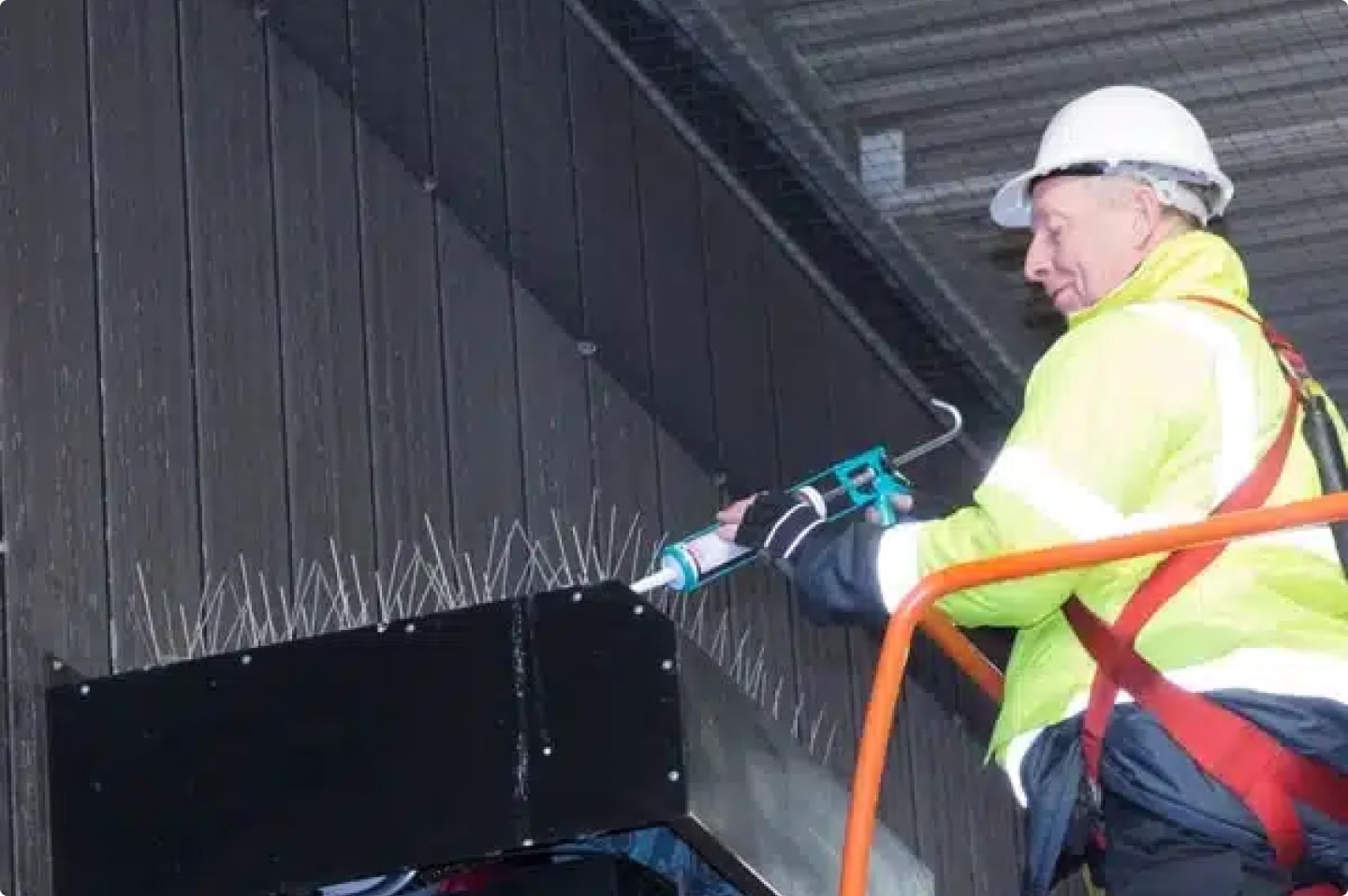
Before nesting season begins, you can install physical deterrents like bird spikes or netting systems. These can discourage gulls from settling on your property by making ledges, roofs, and other potential nesting spots inaccessible.
Properly installed, these systems are a humane, long-lasting, and highly effective measure for reducing gull activity.
Visual Gull Deterrents
Visual solutions include models of predatory birds and kites shaped like birds of prey.
These can be a cheap option. However, gulls are intelligent. This means visual deterrents don’t last reliably for long periods of time. For better results, visual deterrents should be paired with other methods to help their effectiveness and reduce the risk of breeding populations becoming established on your property.
Auditory Gull Deterrents
Ultrasonic devices that emit frequencies humans can’t register can help prevent gulls from nesting.
The effectiveness of these devices depends on their placement for ultimate coverage and protection. For this reason, it is advisable to seek professional support when installing ultrasonic deterrents.
Living Alongside Gulls: Reducing Conflict
As humans have played a major part in how gulls behave, it’s important that we also take the right steps to reduce potential conflicts to coexist with them peacefully.
Proper waste management practices, such as securing bins and reducing accessible food waste is vital for gulls to reduce their scavenging behaviours. We strongly recommend against feeding gulls, whether in urban settings or seaside locations, to prevent gulls associating us with an easy food source.
In addition, reducing the amount of waste sent to the landfill can limit unnatural food supply available to gulls. This encourages gulls to return to natural foraging behaviours, supporting a healthier ecosystem and preventing conflict with people.
By addressing the underlying issues, particularly food availability, we can help reduce conflicts while respecting the protected status these birds hold under UK law.
Pest Bird Solutions – Professional Help with Gull Management
At Pest Bird Solutions we are specialists in all aspects of bird management. We can provide valuable, legal and effective help with gull management.
We carefully navigate the laws and regulations to ensure you receive lasting protection, whether you are living in a common nesting site or birds have already begun to roost on your property. Our expert team at Pest Bird Solutions will carefully assess your specific situation and provide tailored advice that fully aligns with current legal requirements.
For expert advice and professional assessment regarding seagull and common gull management anywhere in the UK, contact our friendly team at Pest Bird Solutions today. We’ll help you find the right solution, no matter the situation.
Call us today on 0800 027 2555.