In the UK, we’ve had a relationship with pigeons for centuries. From their days as messengers in the World Wars, to their time as racing birds, to now being seen as pests in our cities. Pigeons have always been part of our story and history. Whether you love them or hate them, they will forever be iconic to the UK. And like any part of history, it is worth understanding them a little better, especially how long they live.
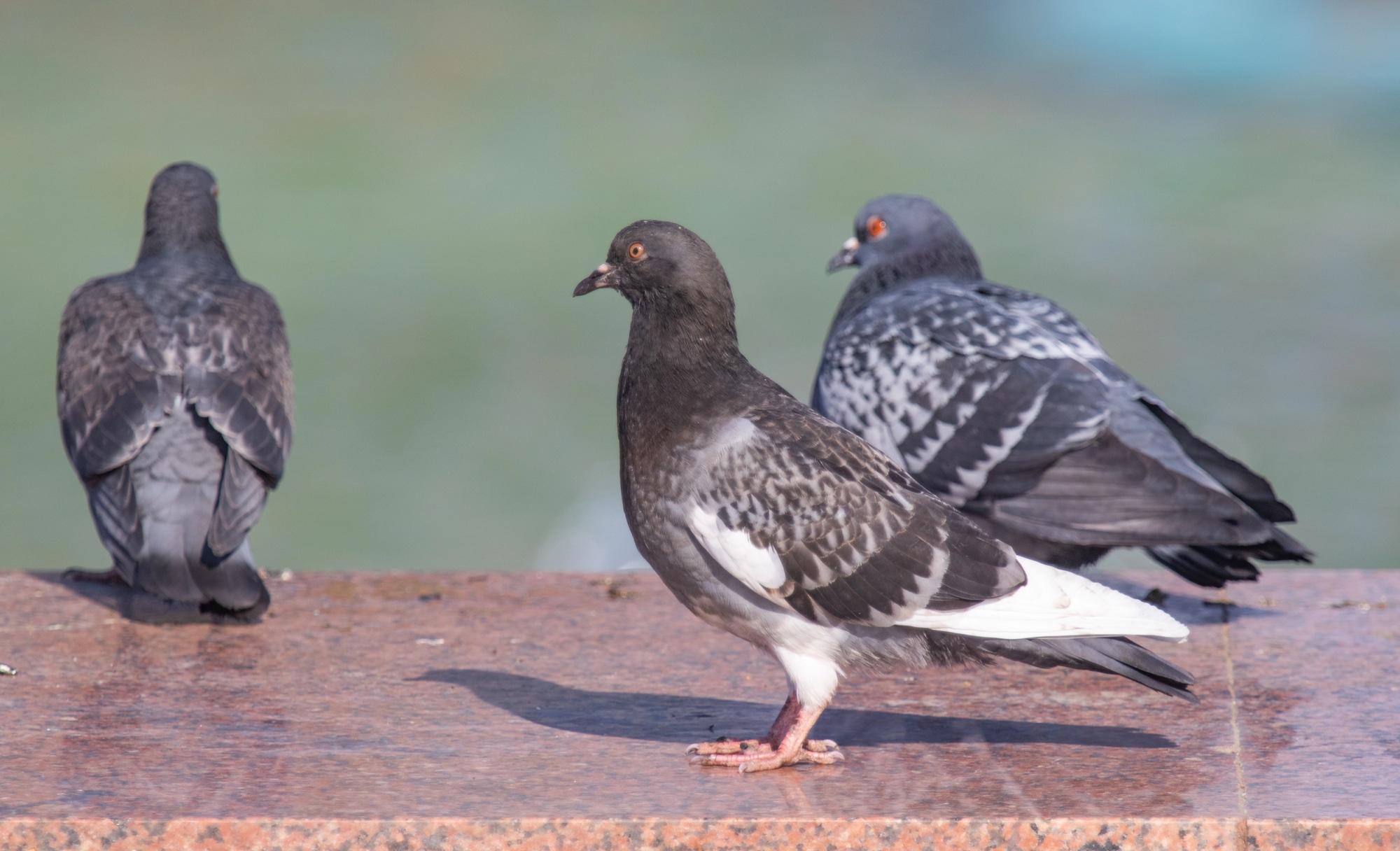
The Average Lifespan of Different Pigeon Species – From Pest Bird Solution Experts
Pigeons and doves belong to the Columbidae family, which includes over 300 species worldwide. When talking about how long pigeons live, we need to look at specific species as their lifespans can be quite different.
Rock Pigeon (Columba livia)
The Rock Pigeon, commonly known as the Rock Dove, is an intelligent bird. This name confusion of this bird adds to the ongoing dove vs pigeon discourse.
The Rock Pigeon is the most widespread pigeon species globally and serves as the ancestor to both domestic and feral pigeons.
Under ideal circumstances, Rock Pigeons can live for 10-15 years if they receive proper care in captivity. In the wild, this lifespan only averages 3-5 years. This is drastically shorter because of predators, diseases, and various environmental challenges.
Wood Pigeon (Columba palumbus)
The common Wood Pigeon, which you’ll spot throughout the UK and Europe, generally lives for 3-9 years in natural settings. These larger birds with their distinctive white neck patches face regular threats from foxes and birds of prey, which naturally affects how long they typically survive.
Homing Pigeon (Columba livia domestica)
Homing Pigeons are a variety of domestic pigeons. They have been selectively bred from Rock Pigeons and have been used in pigeon racing and as messengers during periods of war.
Thanks to generations of selective breeding, they have a remarkable homing instinct and speed. As they are domesticated, they also access better diets and protection from predators.
Homing Pigeons can live up to 15-20 years, with proper care. Some of the top racing pigeons have been known to reach impressive ages of 30.
Feral Pigeon Lifespan in Urban Environments
Feral pigeons, which descended from domestic birds that returned to the wild, are now common fixtures in towns and cities worldwide. These street-smart birds have adapted wonderfully to urban living, finding plenty of food and making nests on buildings that resemble the cliff faces their ancestors once inhabited.
Despite their impressive adaptability, feral pigeons in urban areas typically have a relatively short life expectancy of just 3-5 years. This reduced lifespan compared to captive birds comes from several urban challenges.
Traffic accidents claim many lives, while predators such as peregrine falcons have adapted to hunting in cities. Pollution takes its toll, and human interference, whether intentional or not, can create problems. Disease spreads more easily in dense populations to.
Even feral pigeons living in the best urban conditions with abundant food sources and few predators rarely live as long as their domesticated cousins. The daily stresses of city living, including fierce competition for resources and frequent exposure to parasites, gradually wear down these hardy birds.
Despite wild pigeons short life expectancy, wild gulls live much longer. This shows the differences in birds adaptability to their environments.
Domestic Pigeon Lifespan: Living Longer in Captivity
Domestic pigeons kept as pets or bred for racing, shows, or meat production greatly outlive their wild or feral relatives.
With good care, domestic pigeons can reach 15-20 years in captivity, and some exceptional birds have been known to live for 25-30 years.
Several key factors contribute to the extended lifespan of domestic pigeons.
- Regular vet visits: help catch and treat health issues early.
- Controlled, nutritional diets: help support overall health and prevent parasites.
- Protection from predators
- Protection from harsh weather conditions
Racing pigeons, despite the physical demands of competition, often enjoy longer lives than feral pigeons. Champion racers receive specialised diets and medical attention that extend their productive years, with many breeders taking exceptional care of their prize birds.
Interesting Pigeon Facts
Pigeons are Loyal
Pigeons mate for life, forming strong pair bonds that continue throughout their years together, which greatly contributes to their breeding success.
This loyalty has greatly helped with domestication. No matter how far a pigeon travels, they will always return home to their mate and their nest. This extreme homing instinct has made them trusted carrier pigeons.
Shared Childcare Responsibilities
Female pigeons normally lay two eggs per clutch, and both parents share the incubation responsibilities.
What many people don’t know is that both male and female pigeons produce a substance called “pigeon milk” to feed to their young. This “pigeon milk” is made in a part of their digestive system called the ‘crop’. They will take turns to feed their young during the first week after hatching.
Pigeons are Quick to Reproduce
Pigeons reach sexual maturity at just 6–7 months of age. This early maturity helps explain why, even though feral pigeons have relatively short lifespans, their populations can grow so rapidly.
Largest Pigeon Species
The largest pigeon species is found in the forests of New Guinea and the surrounding islands. It has been named the Victoria Crowned Pigeon, after Queen Victoria.
Bright blue in colour, with a crown of striking feathers on its head, it is a far cry from the pigeons we see in the UK. Even more surprisingly, it can reach up to 2kg in weight. Unfortunately, this remarkable bird is now listed as Near Threatened due to habitat loss.
Pigeon Problem? Contact Bird Pest Solutions
As remarkable as our history with pigeons may be, we would be the first to admit that they can become a real pest in daily life.
Pigeons often build nests in inconvenient places, such as under solar panels, on ledges, and near windows. This can cause damage and spread harmful diseases and parasites. Their droppings quickly soil buildings and outdoor spaces, creating both health risks and cleaning issues. Because pigeons are loyal to their nesting sites, they will return time and again, turning a small problem into a nightmare.
If you are experiencing a problem with pigeons, it is essential that you get the expert help to stop the issue from escalating.
At Pest Bird Solutions, we don’t only solve the problem. We prevent it from returning. This gives you lasting reassurance and comfort knowing your property is protected.
With decades of experience, our expert team works carefully, humanely, and lawfully to resolve bird problems and ensure pests are deterred from returning. For expert advice and a free quote, contact our trusted team today at 0800 027 2555.